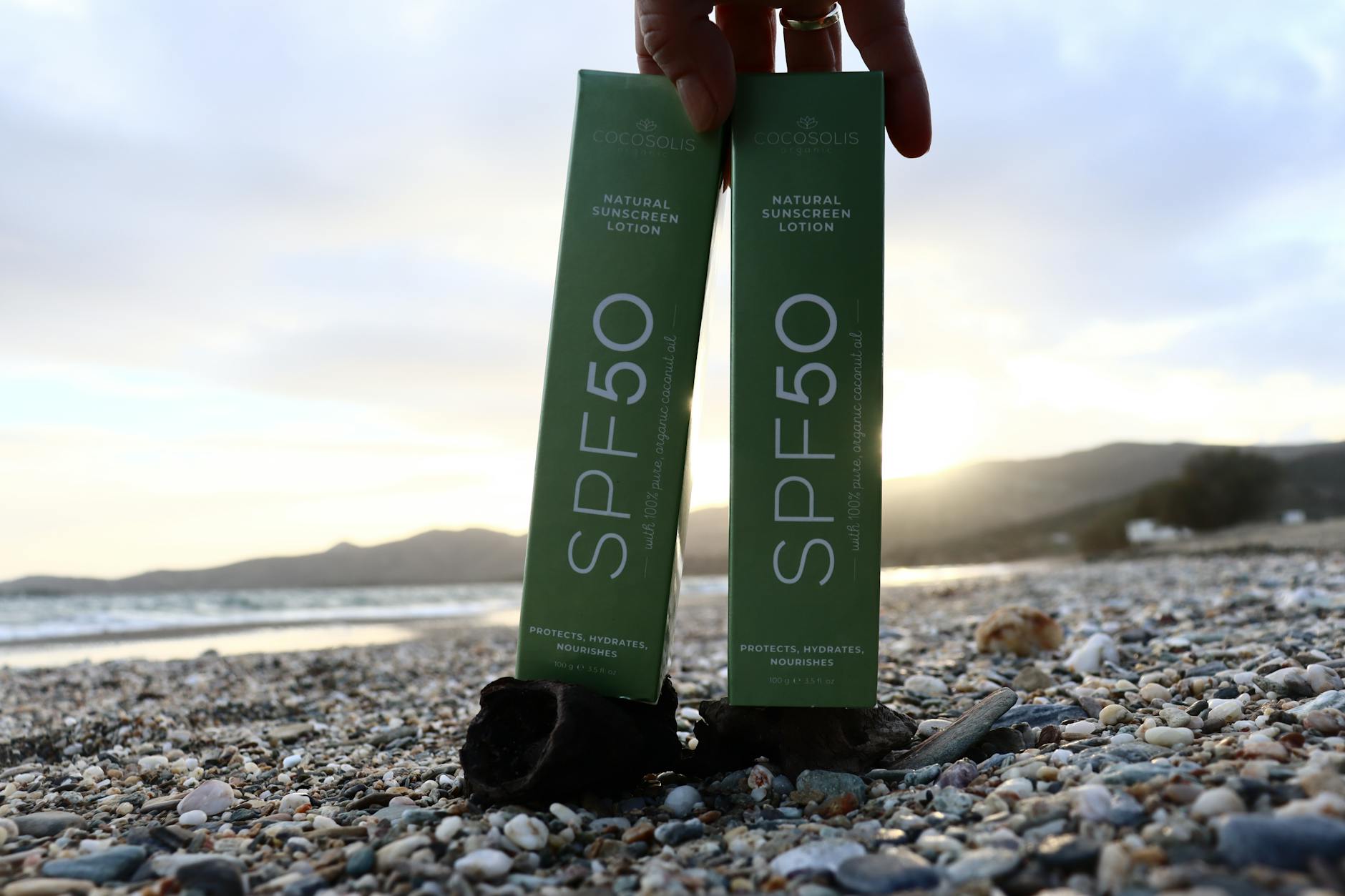
Why Switching to Eco-Friendly Sunscreen is Crucial in Australia

Environmental Impact
Ocean and Reef Damage
As care for our planet grows, it’s critical to consider how everyday products, including those for children, impact the environment. Specifically, certain sunscreens cause significant damage to marine life. Ingredients like oxybenzone and octinoxate, found in many conventional sunscreens, can bleach coral reefs and damage ecosystems. This makes it essential to choose sunscreens formulated without these harmful chemicals.
Ingredient Pollution
The harmful ingredients in some sunscreens also contribute to broader environmental pollution. As we swim, shower, and sweat, chemical sunscreens wash off into waterways. These chemicals are resistant to breakdown and can accumulate, harming aquatic life and disrupting ecosystems. Opting for kids sunscreen with natural ingredients can mitigate this environmental impact.
Wildlife Protection
Lastly, ingredient pollution does not only affect aquatic life but also terrestrial wildlife. Chemicals from sunscreens can bioaccumulate in animals, potentially disrupting growth and reproduction processes. By choosing eco-friendly, mineral-based sunscreens for your children, you help drive demand for products that protect not only human life but also wildlife.
Incorporating these considerations in your buying decisions supports sustainable practices and ensures that your children can enjoy both safe sun exposure and a thriving environment.
Health Benefits
Skin Protection
As a makeup artist from Bondi Beach, I'm acutely aware of the importance of sun protection, especially for the sensitive skin of our little ones. Opting for a natural sunscreen tailored to children can be a game-changer. Unlike conventional sunscreens, natural options often contain minerals like zinc oxide, which physically block harmful UV rays by sitting on top of the skin. This is crucial in preventing sunburns and reducing the risk of long-term damage that can lead to skin cancers.
Avoiding Harmful Chemicals
Strolling through the sustainable beauty stores in Surry Hills, you’ll notice a fascinating shift toward products that avoid harmful chemicals. Conventional sunscreens may contain oxybenzone and octinoxate—ingredients associated with hormone disruption and allergic reactions. Conversely, natural sunscreens exclude these toxins, opting for safer, skin-friendly alternatives. This switch is particularly beneficial for kids with sensitive skin, who are less likely to experience irritations or reactions.
Long-term Skin Health
In the bustling natural product boutiques of Newtown, it's easy to find sunscreens that not only protect against immediate sun damage but also contribute to overall skin health in the long run. Natural sunscreens often incorporate nourishing botanical oils packed with antioxidants and vitamins. These ingredients aid in skin repair and regeneration, promoting healthier skin over time. For example, products enriched with ingredients like aloe vera and chamomile help soothe the skin while providing effective sun protection.
In summary, by focusing on avoiding harmful chemicals and choosing products with nourishing ingredients, it's feasible to offer superior skin protection and long-term health benefits through natural sunscreens.
Eco-Friendly Ingredients
Natural Minerals
When it comes to choosing sunscreens for kids, opting for products with eco-friendly ingredients is paramount. Minerals like zinc oxide and titanium dioxide are the foundation of many natural sunscreens. These minerals serve as physical blockers, forming a protective barrier on the skin that deflects harmful UVA and UVB rays. Additionally, they are less likely to irritate sensitive skin, making them ideal for young children. The natural product boutiques in Newtown frequently stock a variety of sunscreens containing these safe and effective minerals, allowing us to protect our kids while also caring for the environment.
Botanical Oils
Botanical oils are another fantastic eco-friendly ingredient to look for in kids' sunscreens. Oils such as coconut, jojoba, and sunflower not only nourish the skin but also provide a natural hydrating effect. These oils are often found in sunscreens at sustainable beauty stores in Surry Hills, where products are known for their high quality and organic origins. Using sunscreens with botanical oils can help prevent the skin from drying out and maintain a healthy glow, which is essential for both everyday protection and after long days at Bondi Beach.
Safe Preservatives
While preservatives in skincare products get a bad rap, certain safe preservatives are necessary to ensure the product remains effective and free from harmful bacteria. Look for sunscreens that use natural preservatives such as vitamin E and rosemary extract. These compounds help to extend the shelf life of the product without introducing harsh chemicals. Often, you’ll find such carefully formulated products highlighted at the eco-friendly markets at Bondi Beach.
By understanding the role of natural minerals, botanical oils, and safe preservatives, you can make informed choices that benefit both your child's skin and the environment. Selecting a zinc sunscreen alongside eco-friendly sunscreen can further enhance protective measures, ensuring your little ones stay safe under the sun.
Choosing Eco-Friendly Sunscreen
Reading Labels
As an avid makeup artist from the beautiful shores of Bondi Beach, I understand the importance of reading labels when selecting sunscreen for your little ones. When examining labels, look for keywords such as "reef-safe" and "non-toxic," and steer clear of harmful chemicals like oxybenzone and octinoxate. At the eco-friendly markets around Bondi Beach, you'll find a wide range of kid-safe sunscreens that highlight natural ingredients such as zinc oxide and titanium dioxide, ensuring both safety and effectiveness. It's not just about avoiding the bad stuff but also harnessing the good.
Certification Marks
When shopping at sustainable beauty stores in Surry Hills, watch for certification marks on the packaging. Certifications like the "Australian Certified Organic" or "EcoCert" logo can offer peace of mind. These certifications indicate that the product has met stringent guidelines for natural and organic ingredients, making it a safer choice for your child's sensitive skin. Remember, it’s well worth spending the extra few seconds checking these marks to ensure you’re getting a genuinely eco-friendly product.
Texture and Application
The texture and application of sunscreen can significantly impact its efficacy, especially for wiggly toddlers. Products available at Newtown’s natural product boutiques often boast lightweight and easy-to-apply formulas that absorb quickly into the skin without leaving a greasy residue. Look for lotions that provide broad-spectrum protection with an SPF of 30 or higher. For convenient application, consider products that come in stick forms or sprays. These are often less messy and easier to use for quick touch-ups on the go.
Finally, don’t forget about practical considerations like water resistance, especially if you're frequently at the beach. Choosing a water-resistant formula ensures longer protection during swimming or sweating, which is crucial for active kids.
By integrating these simple yet effective tips, finding the ideal baby sunscreen becomes a straightforward task, allowing you to enjoy peace of mind while fostering environmentally conscious habits.
Best Practices
Proper Storage
Ensuring you store kids sunscreen correctly can significantly impact its effectiveness. Store it in a cool, dry place and avoid exposing it to direct sunlight or extreme temperatures. This will help maintain the integrity of the ingredients, ensuring optimal protection for your little ones' skin. Keeping sunscreen in an easily accessible place, like your bag or the car’s glove compartment, can also serve as a gentle reminder to reapply it regularly.
Application Tips
Getting sunscreen application just right is key to maximising its protective benefits. First and foremost, always apply sunscreen for kids about 15 minutes before they head outdoors. This allows the sunscreen to fully bond with the skin, creating a solid barrier against the fierce Aussie sun. Remember to cover all exposed areas, including often overlooked spots like the ears, neck, and the tops of the feet.
Involving your kids in the process can be a game-changer. Turn sunscreen application into a fun activity, perhaps a mini spa session, making it less of a chore and more of a bonding experience. Using a mirror might help older kids ensure they’re covering all areas correctly.
Reapplying Techniques
Reapplication is as crucial as the initial application, especially given how much time Aussie kids spend outdoors. You should reapply sunscreen every two hours, and even more frequently if they’re swimming or sweating heavily. For water-resistant formulas, ensure that you're following the specific reapplication guidelines provided on the product label.
A trick I often recommend is setting a timer to remind you when it’s time for another layer. And don't forget – accessories like sun-protective clothing and wide-brimmed hats complement the sunscreen’s protection perfectly and are particularly useful when you're having fun on Bondi Beach or exploring the eco-friendly markets nearby.
Understanding these best practices helps ensure that your child is fully protected from harmful UV rays, ultimately fostering healthier skin and more enjoyable outdoor moments. Interior Department stores in Surry Hills and natural product boutiques in Newtown are excellent resources for finding sunscreens that meet these high standards while aligning with eco-conscious values.